
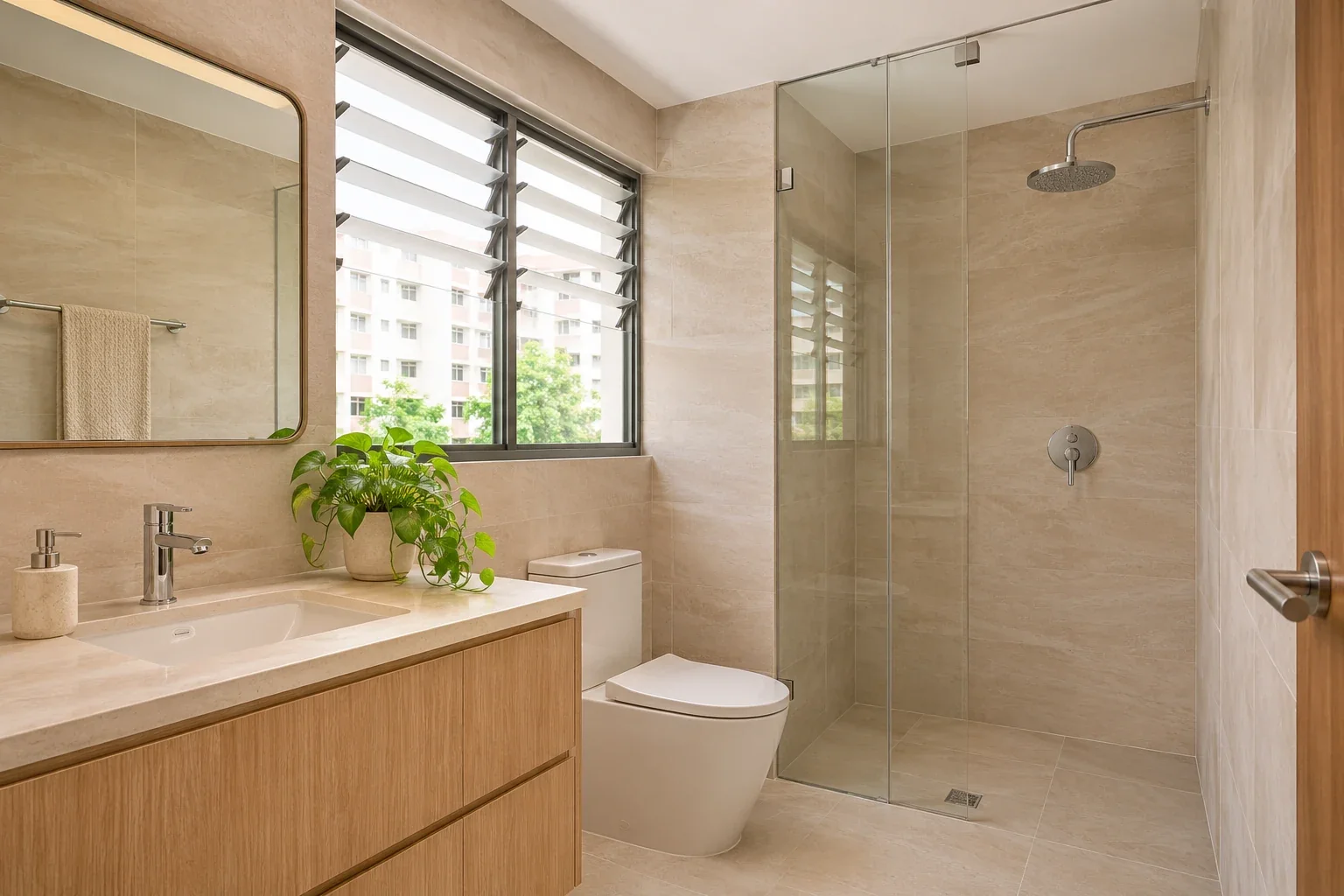
Compare piped town gas water heaters with electric storage heaters by shower demand, installation, running costs and maintenance before you renovate.
A piped town gas heater heats water as you use it. An electric storage heater heats water in an insulated tank for later use. Both can serve more than one outlet in a suitable layout. The right choice starts with what your home can accommodate and how your household uses hot water on a busy morning.
01. Gas heater: hot water on demand
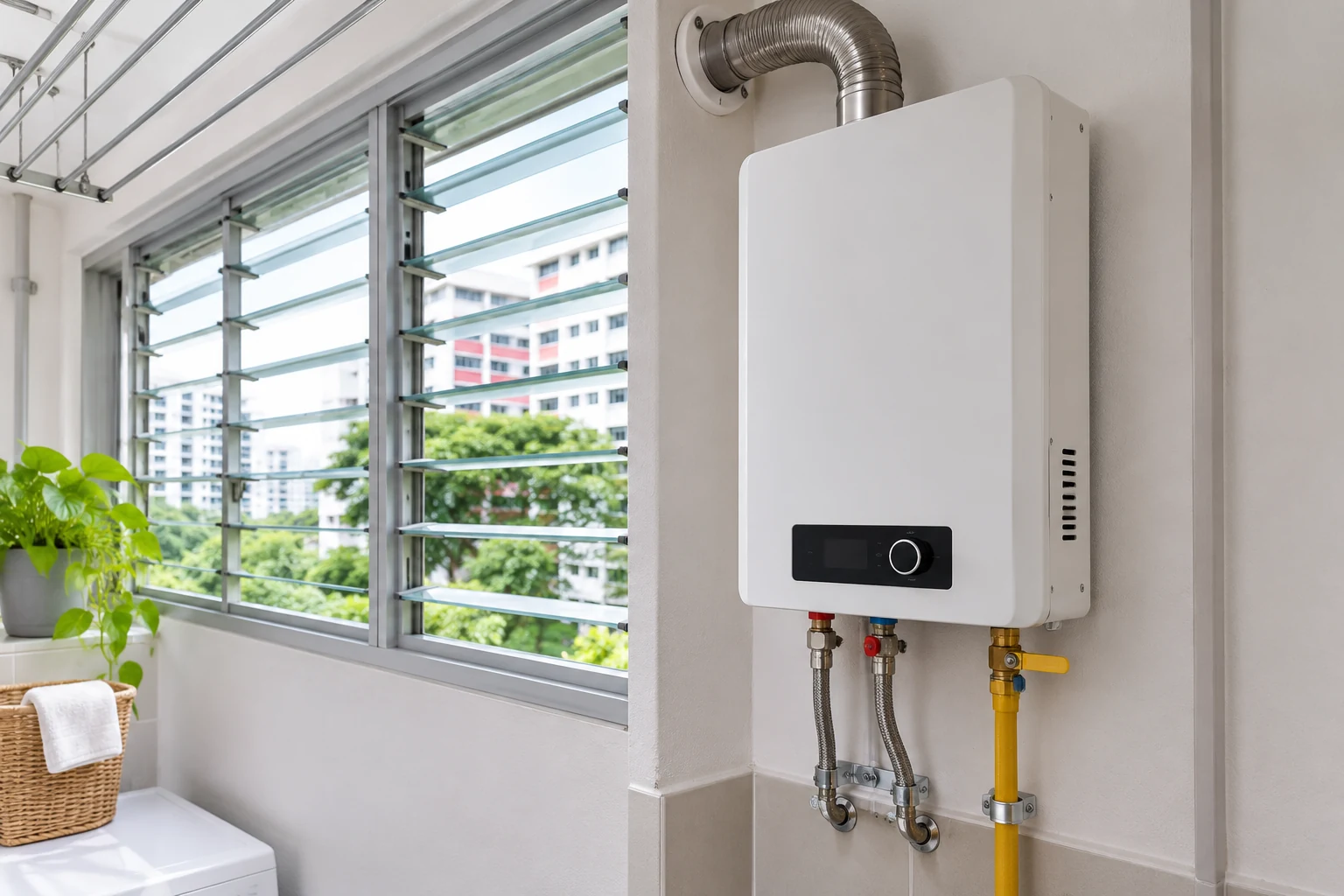
An instantaneous gas heater starts heating when there is enough water flow through the unit. It can keep supplying hot water while demand stays within its heating capacity. You may still wait at the shower for the cooler water already sitting in the pipe to clear.
Check the exact model’s minimum activation flow, rated hot-water output and required water pressure. If you often run two showers at once, ask the supplier to confirm whether the model can serve both at your preferred temperature. Some models also need an electrical point for their controls.
02. Electric storage heater: a tank of preheated water
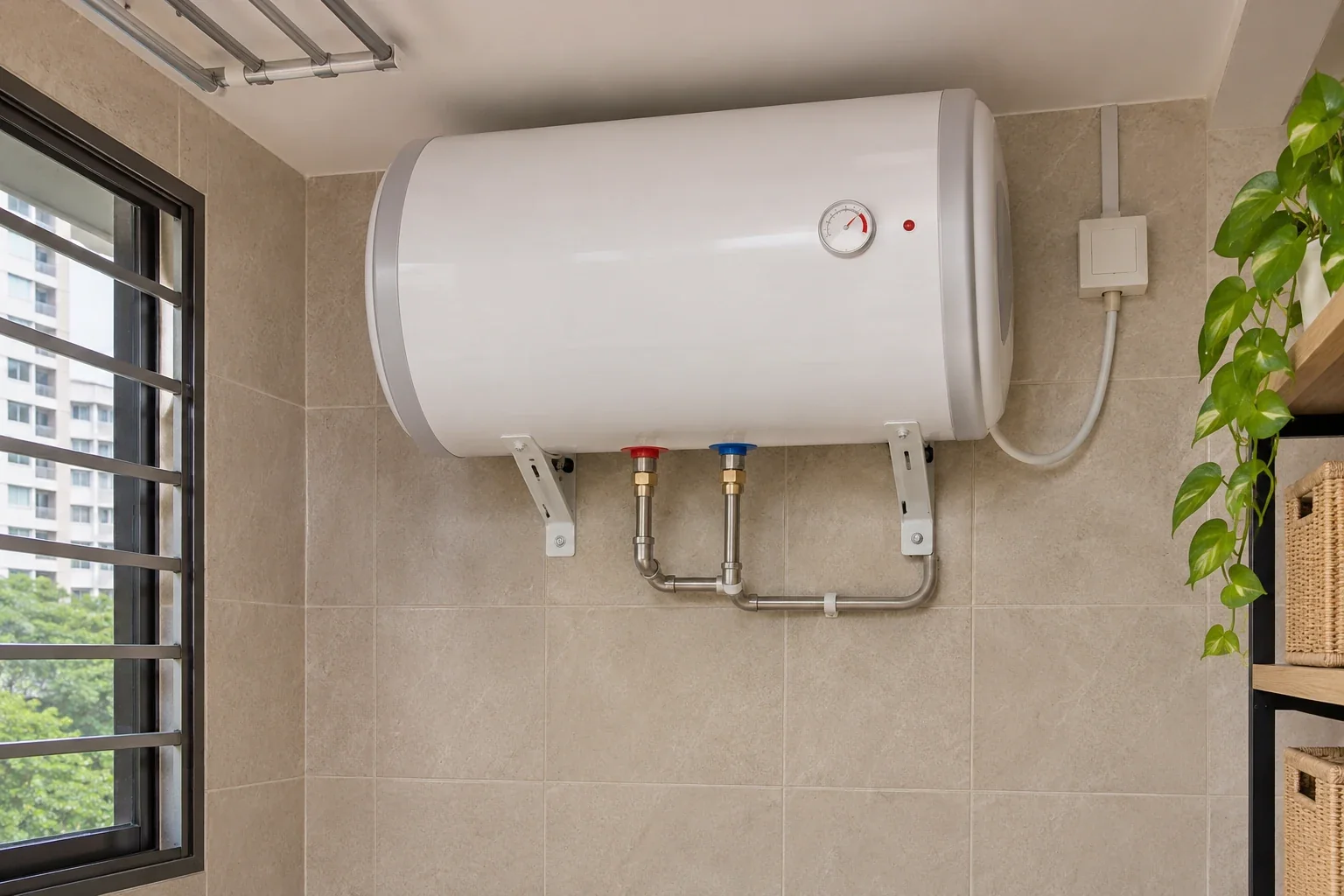
An electric element heats water inside an insulated tank. At the shower, the mixer blends hot water from the tank with cold water, so the tank’s capacity alone does not tell you how long a shower will last. Once enough hot water is drawn, the tank needs time to recover.
Compare both tank capacity and heating time. For example, Ariston lists 26 minutes for its 15 L Andris2 RS and 50 minutes for its 30 L version to raise the water temperature by 35°C. These are model-specific figures under the stated test condition. Ask about recovery time for the exact unit you are considering.
03. Size the heater for the busiest shower period
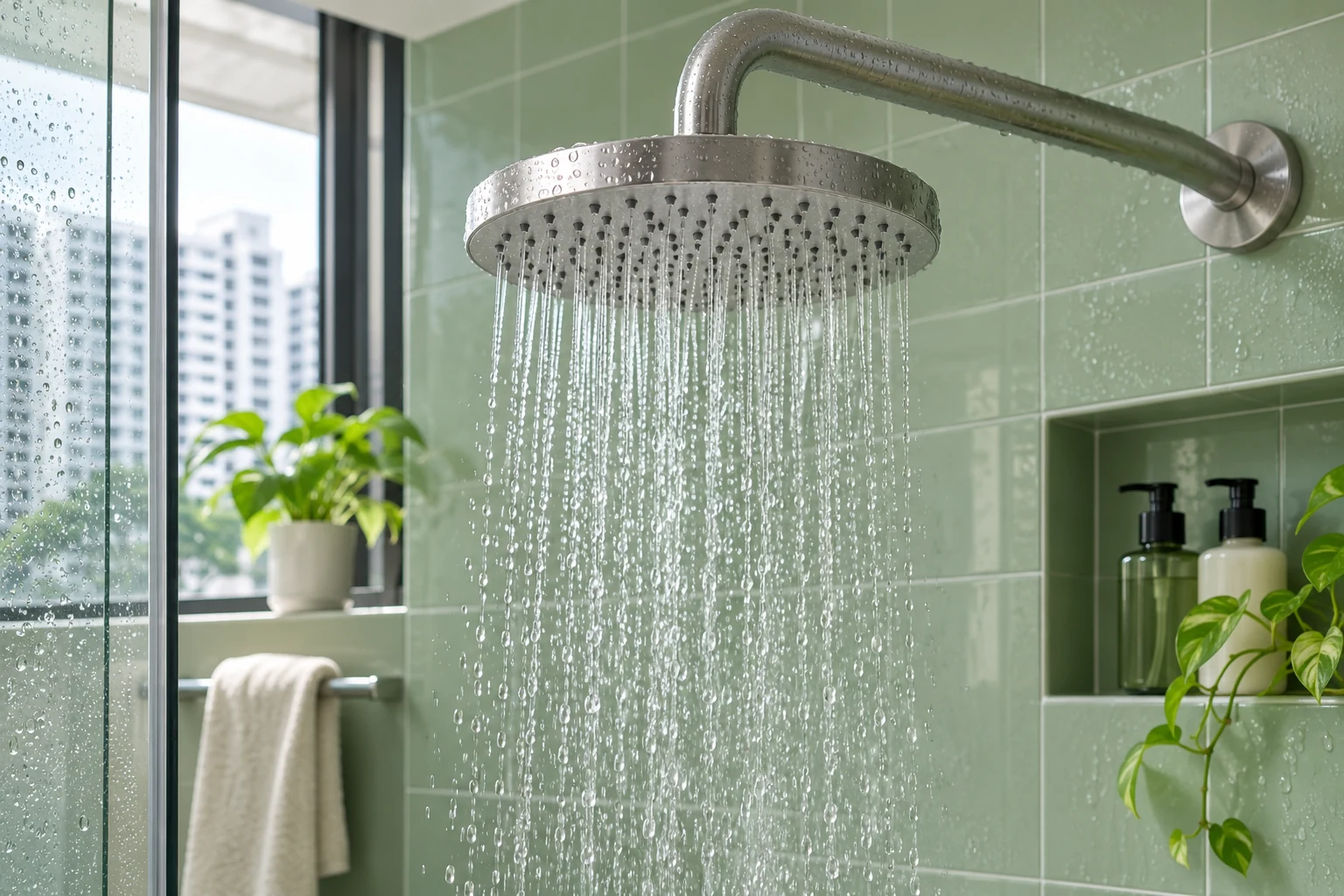
Start with the actual showerheads and mixers. Tell your installer whether you take back-to-back showers, run two showers at once, use a rain shower or fill a bathtub. Include any kitchen tap that will share the same hot-water supply.
For gas, compare the combined flow at your preferred temperature with what the model can deliver at the required temperature rise. For storage, compare the expected draw with the usable mixed water and the tank’s recovery time. Neither choice fixes poor incoming pressure. Ask for a site check if flow is already weak.
04. Confirm installation space and requirements early
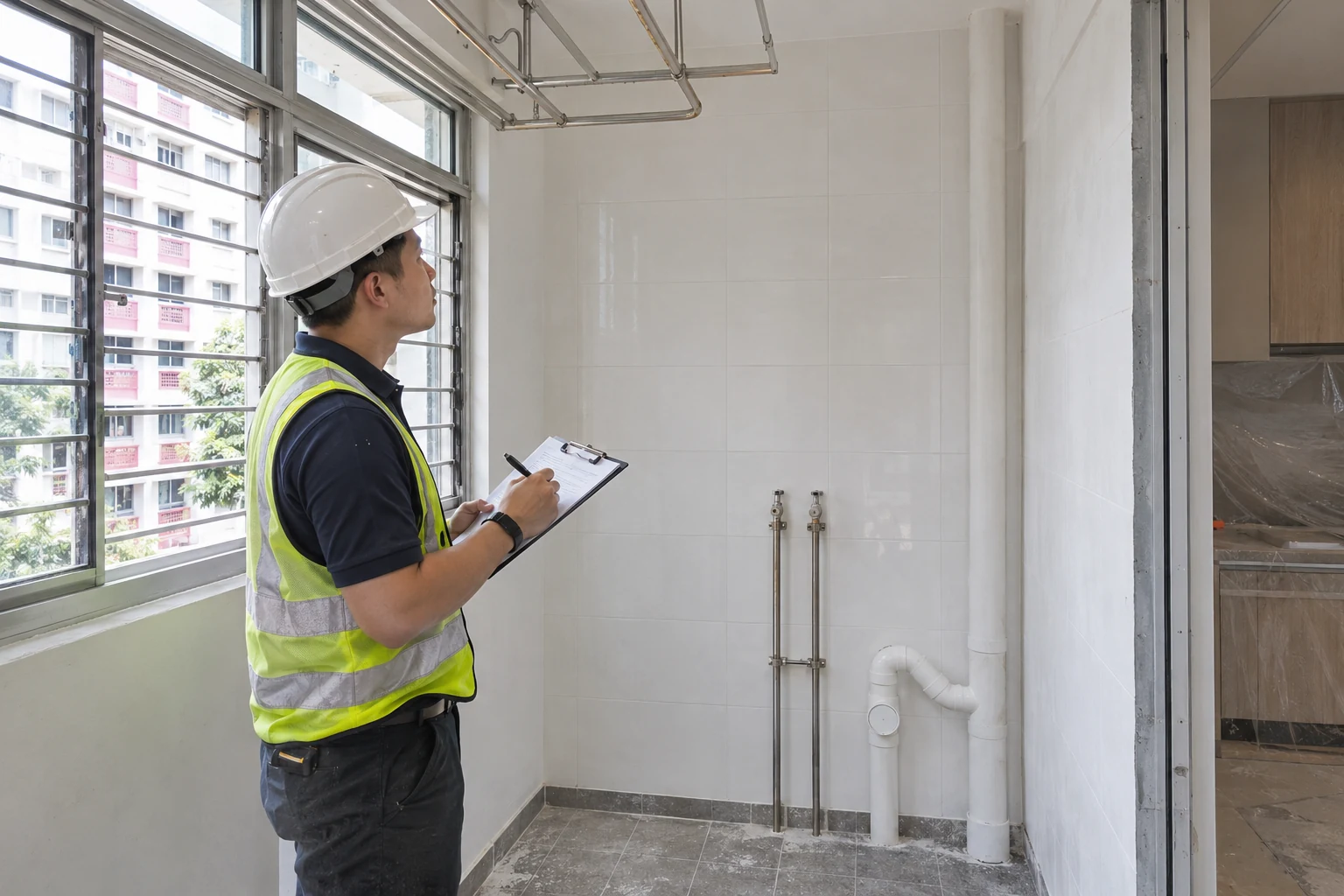
For piped gas, check town gas availability at your unit and ask an EMA-licensed gas service worker to assess the location, pipe route and model-specific ventilation or exhaust requirements. Confirm the layout before approving carpentry or boxing around the unit.
For storage, confirm that the proposed mounting surface can support the filled tank and that there is room to service and replace it. Ask your installer about the electrical supply, required safety protection, water connections and discharge route. For HDB flats, check the applicable electrical guidelines. Engage a licensed electrical worker where wiring work is involved. For condos, confirm applicable estate requirements with management.
05. Compare installed cost and ongoing costs together

Compare quotes for the same scope. Include the heater, any gas or electrical work, hot-water pipe routing, removal of the existing unit, making good and any required testing. Check whether installation, labour and parts are covered separately under warranty.
Gas heats water when it is drawn, while a storage tank can lose some heat while it sits hot. The running-cost difference depends on your actual hot-water use, tariffs, the specific models and how you operate the tank. Compare likely costs using your household’s routine before assuming one will be cheaper.
06. Choose the option that fits your home
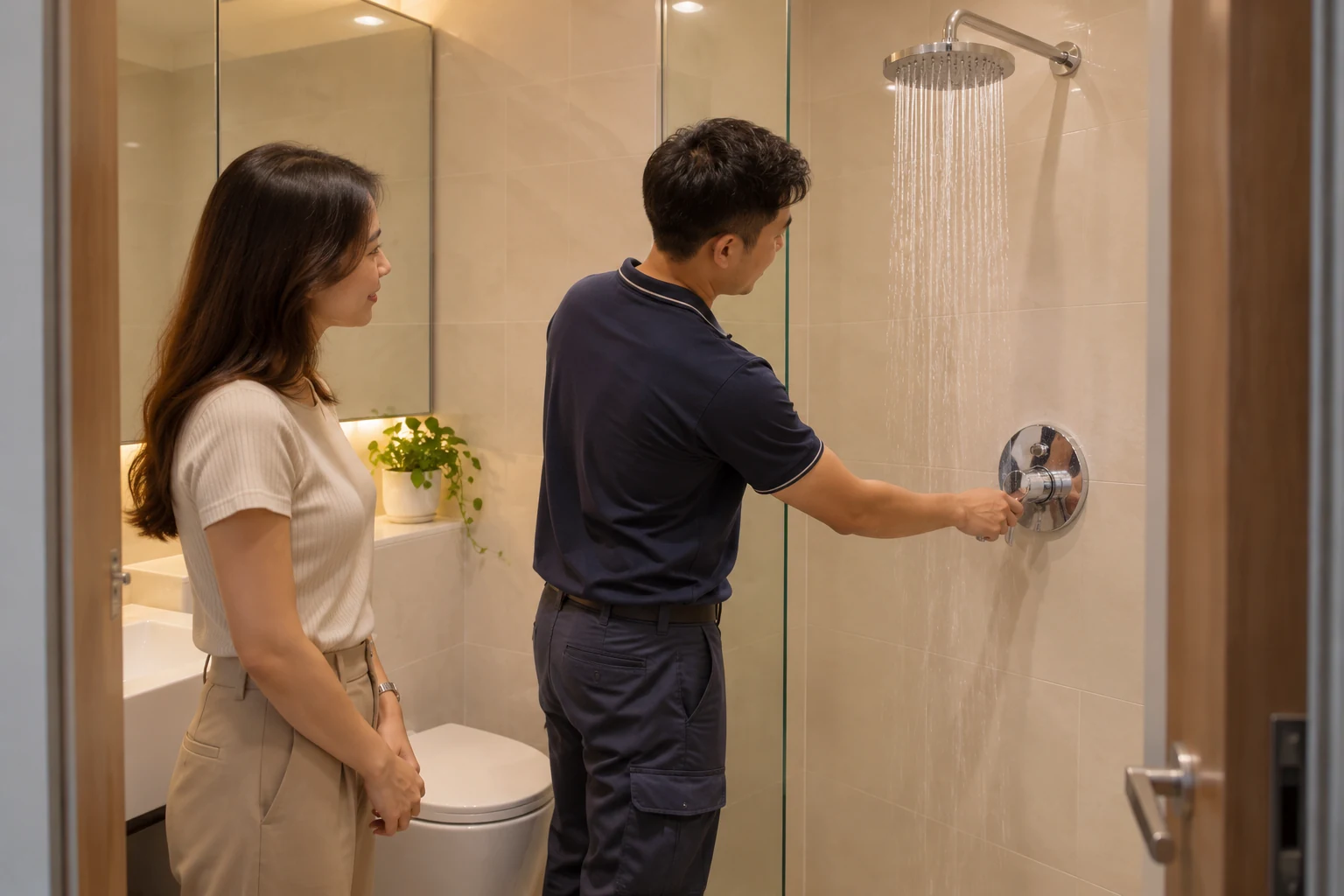
A gas heater is worth comparing when town gas and a suitable installation location are available and you regularly need longer or closely spaced showers. A storage heater is worth comparing when you have a suitable mounting location and electrical supply, and a tank can cover your peak use with acceptable recovery time.
Before handover, ask the installer to demonstrate the controls, confirm performance at the intended outlets and explain servicing and warranty coverage. For piped gas appliances, ask for the written safety statement EMA says the licensed worker will issue after testing.
Images are illustrative. Confirm the installation layout and clearances with the installer and the exact model’s instructions.
Planning your bathroom renovation? Share your floor plan and the outlets you want to serve with Formstill Studio so the heater location and service access can be considered early.
For information and reference only. The scope, methods and sequence for your renovation depend on actual site conditions, applicable requirements and the on-site assessment and professional judgement of the specialists carrying out the work.