
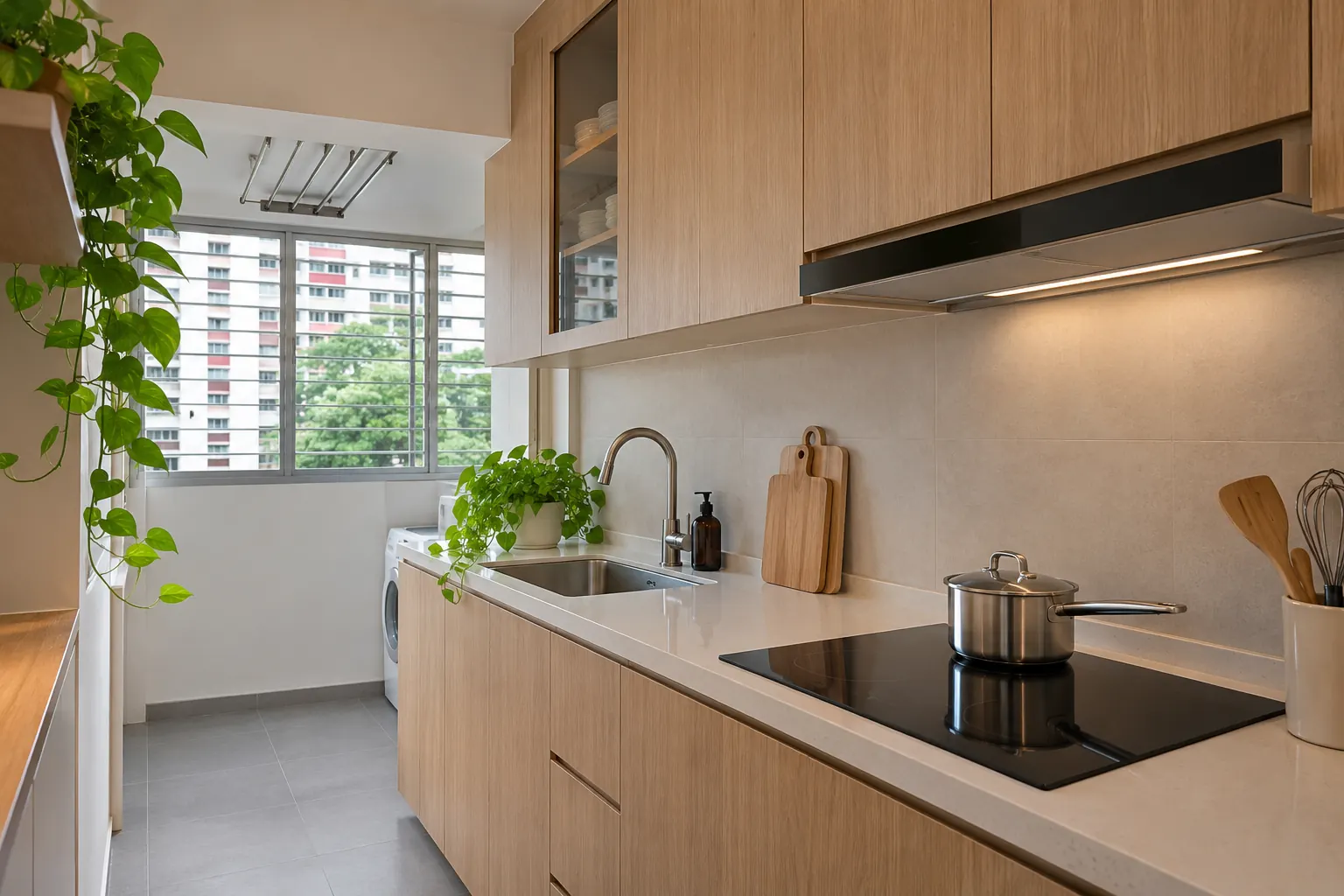
Choose induction if you mostly use flat-bottom pans, want a surface that is quick to wipe and have a suitable electrical supply. Choose gas if you regularly cook over a flame with a round-bottom wok and have a suitable gas connection. Before buying either, confirm the exact model with your kitchen installer and the relevant licensed trade.
01. Compare induction and gas by the meals you cook
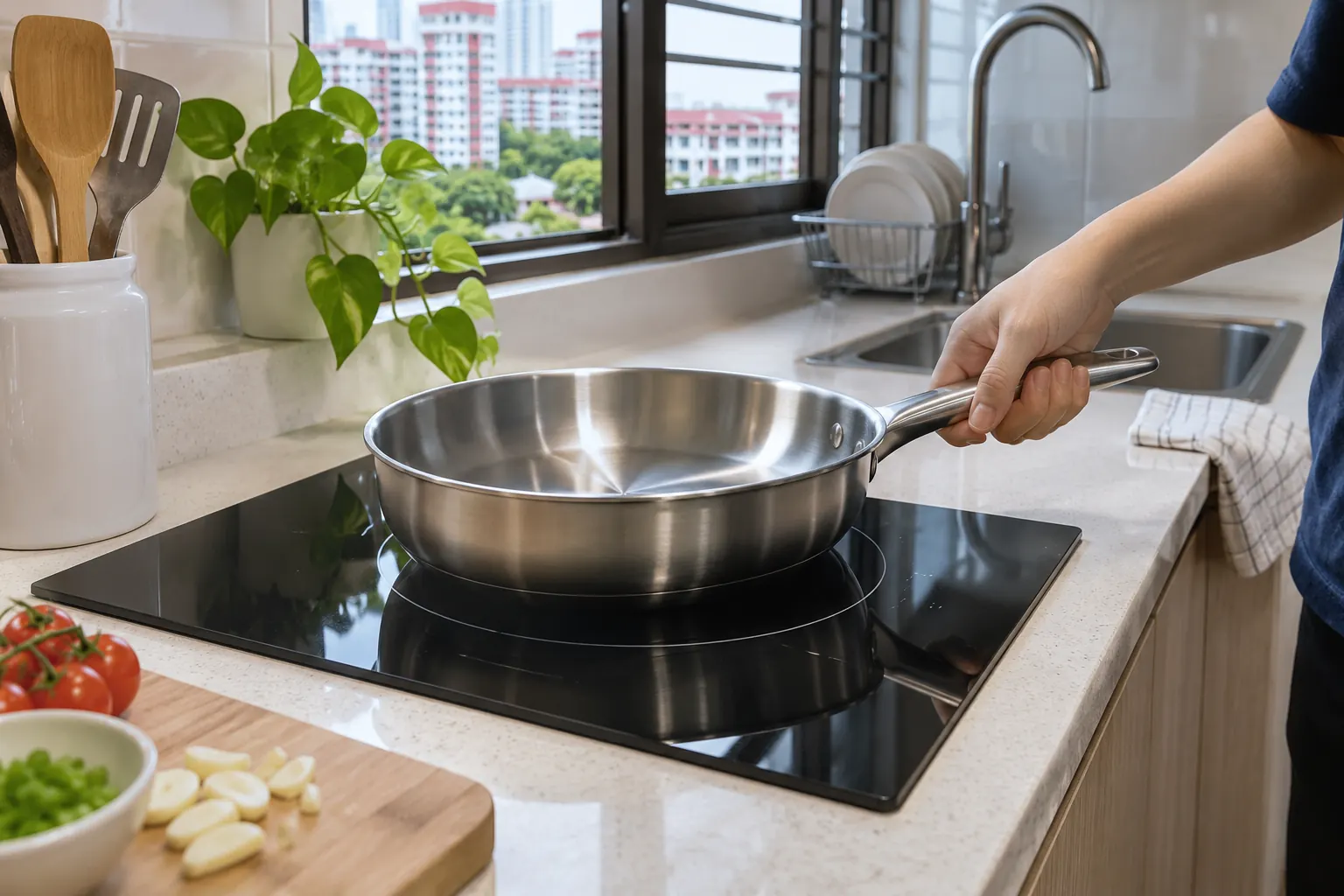
Think about what you cooked last week. If most meals involved boiling noodles, simmering soup or pan-frying, induction is worth trying with the cookware you already own. It heats a compatible pan directly and can bring water to a boil quickly. Check for the induction symbol or use a magnet on the base as a first check. Then confirm that the flat base is large enough for the cooking zone.
| Decision | Induction | Gas |
|---|---|---|
| Cooking style | Good for everyday pots and pans with compatible flat bases. | A visible flame and a compatible wok support suit cooks who prefer traditional wok techniques. |
| Heat and safety | No open flame. The glass under the pan can still be hot after cooking. | Open flame and hot pan supports. Keep nearby items clear and check the model’s flame-failure protection. |
| Connection | Check the model’s power rating, connection and the flat’s electrical capacity. | Confirm the available gas supply and buy a hob specified for that gas type. |
| Cabinet below | Allow for cooling airflow, appliance depth and any required divider. | Allow for the connection, shut-off access and model-specific clearances. |
| Daily cleaning | Wipe the glass after it has cooled. | Allow time to clean around the pan supports and burners. |
| Cooker hood | Still plan for steam, grease and cooking smells. | Plan for steam, grease and cooking smells, and observe the hood and hob installation clearances. |
| What can add to cost | Electrical work if needed, compatible pans and any cabinet or worktop alterations. | Gas connection work if needed and any changes to the cabinet or worktop. |
02. Confirm the flat’s power or gas supply
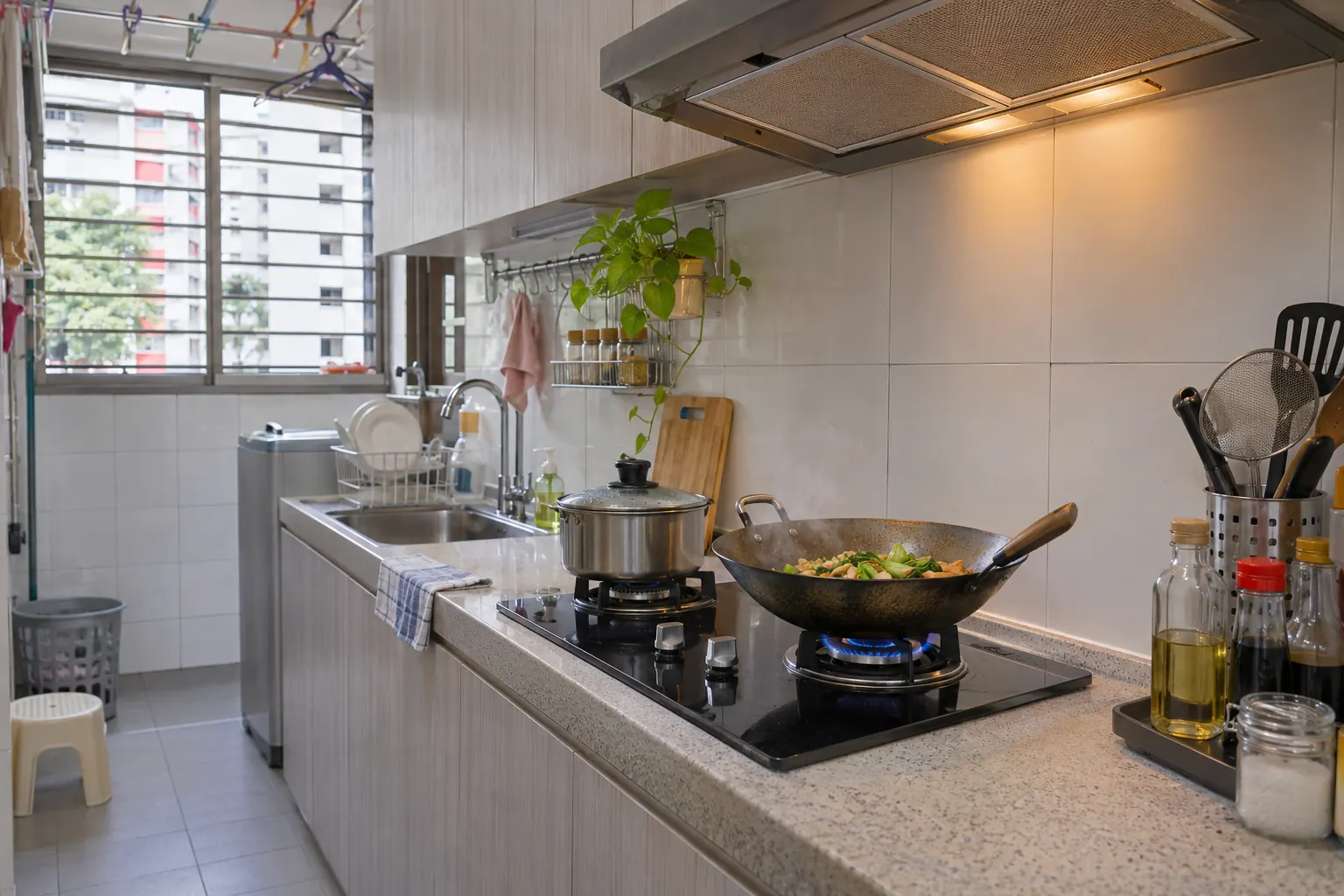
If you cook with a round-bottom wok, check the gas model’s approved wok support. Standard flat induction hobs work with compatible flat-bottom cookware. If you switch from a round-bottom wok to a flat-bottom induction wok, try it with the cooking zone you plan to buy. Check how stable it feels when stirring and whether the zone detects the base.
For induction, give a Licensed Electrical Worker the model’s electrical rating and connection instructions. Ask them to check the flat’s loading provision, the cooker circuit and any approvals, especially if you want to run the hob and oven together. Some induction models limit the total power available when several zones are on. Check the manual if you regularly use multiple pots at high heat. For gas, confirm whether your kitchen has a suitable supply and whether the hob is specified for piped town gas or LPG, as applicable. Have a Licensed Gas Service Worker handle regulated gas connection or alteration work. HDB electrical works guidelines · HDB gas works guidelines.
03. Give the fabricator the model-specific cut-out
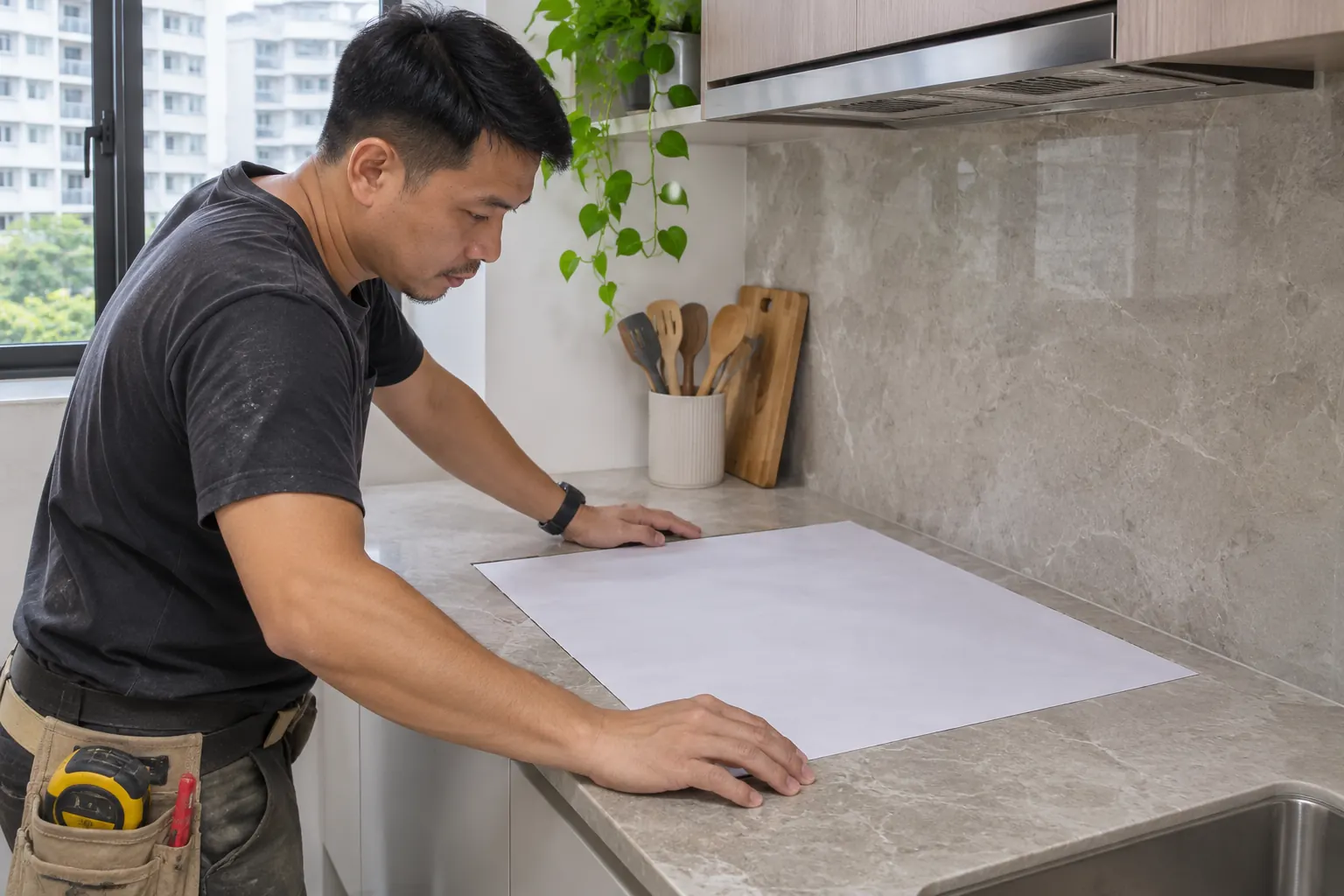
Two hobs advertised as the same width can require different openings. Send the installation sheet to the countertop fabricator and carpenter. Check the opening size and corner shape, countertop thickness, and clearances from the wall, splashback, front edge and nearby cabinet panels. Use the model’s installation dimensions when checking a replacement against an existing opening.
Choose the hood at the same time. Check the installation heights in both manuals, filter access and the space taken up by the hood and its cabinetry. An induction hob still produces cooking fumes and steam from the food. HDB’s rules for separate exhaust fans differ from the choice of a cooker hood, so check any proposed vent route before building around it.
04. Draw the drawer or oven underneath the hob
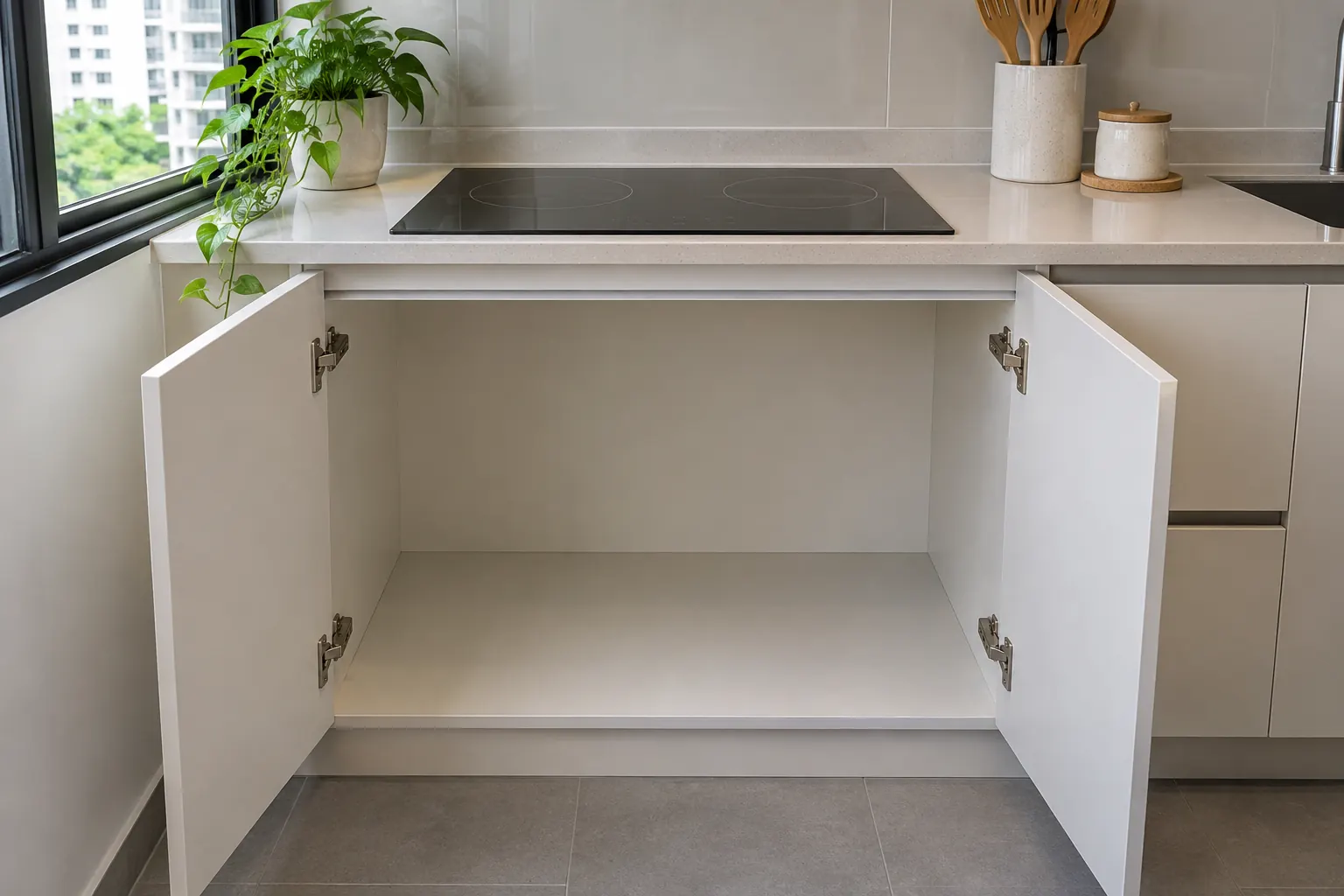
An induction hob needs room to cool. Ask the carpenter to show the airflow path and any required separator on the cabinet drawing. If you want a drawer or oven underneath, check the hob manual for the permitted arrangement and clearances. Confirm the oven’s own requirements too. The space that looks available on a cabinet elevation can already be needed by the hob body, wiring or ventilation.
For gas, plan the connection and access to the shut-off valve with the installer. Check how an oven or drawer affects that access and the clearances required by the appliance. Coordinate any electrical supply needed for ignition or controls before closing the cabinet.
05. Compare the cost of switching before approving carpentry

When replacing a built-in hob, compare the installed cost as well as the appliance price. A change from gas to induction may involve electrical work, making the unused gas connection safe, replacing pans or modifying the opening. For running costs, consider your own cooking habits and energy tariffs. Put the hob, hood and oven model numbers on one drawing. Ask the carpenter, worktop fabricator and relevant licensed trades to confirm the details they are responsible for. If the model changes after you place the order, review the cut-out, clearances and connections again before fabrication.
For the wider layout, see our open, closed and semi-open kitchen comparison and kitchen carpentry checklist.
For information and reference only. The scope, methods and sequence for your renovation depend on actual site conditions, applicable requirements and the on-site assessment and professional judgement of the specialists carrying out the work.