
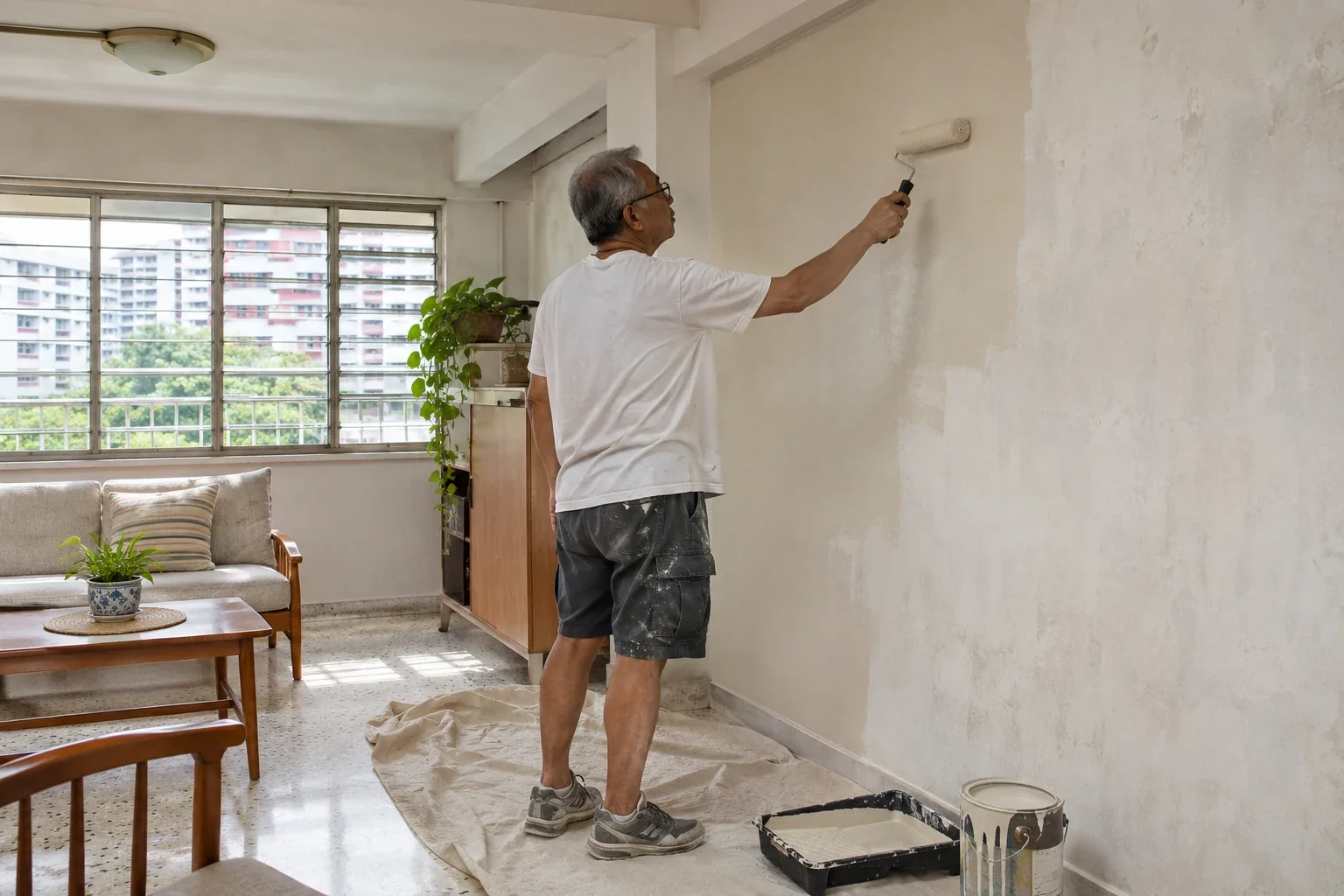
What a standard repaint covers, why old paint can peel, and when to budget for stripping, skim coating or plaster repairs.
A wall can have a fresh, even colour and still show the waves, old patches or texture that were there before painting. In older Singapore homes, we also see new paint come away with layers of old paint that have lost their grip. These are two different problems. Before agreeing on a quote, identify whether the wall needs a new finish, a more stable base, a flatter surface or a combination of the three.
01. What does a standard painting quote cover?
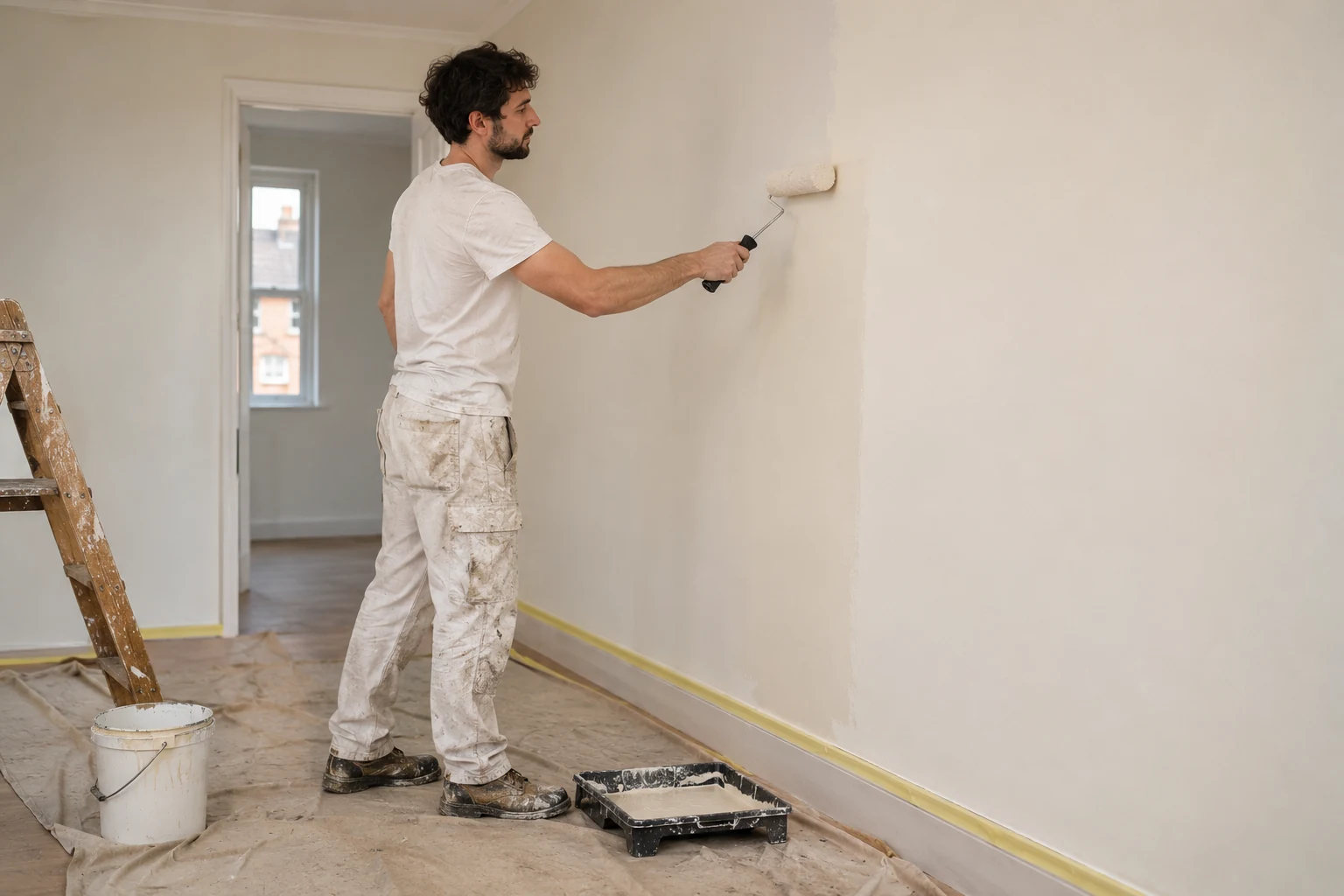
A standard repaint is priced for applying the specified coating system to walls that are suitable for repainting. At Formstill Studio, the written quote sets out which surfaces will be painted and what preparation is included. Ask about cleaning, treatment of loose spots, minor filling, sanding and any primer or sealer specified for the job.
We price full-wall stripping, extensive repairs, skim coating and replastering separately when they are needed. Paint follows the shape of the wall, so existing waves, ridges or old repair outlines can still show through. If the goal is a flatter wall, ask us to include the surface work in the quote.
02. Why can fresh paint peel on an older wall?
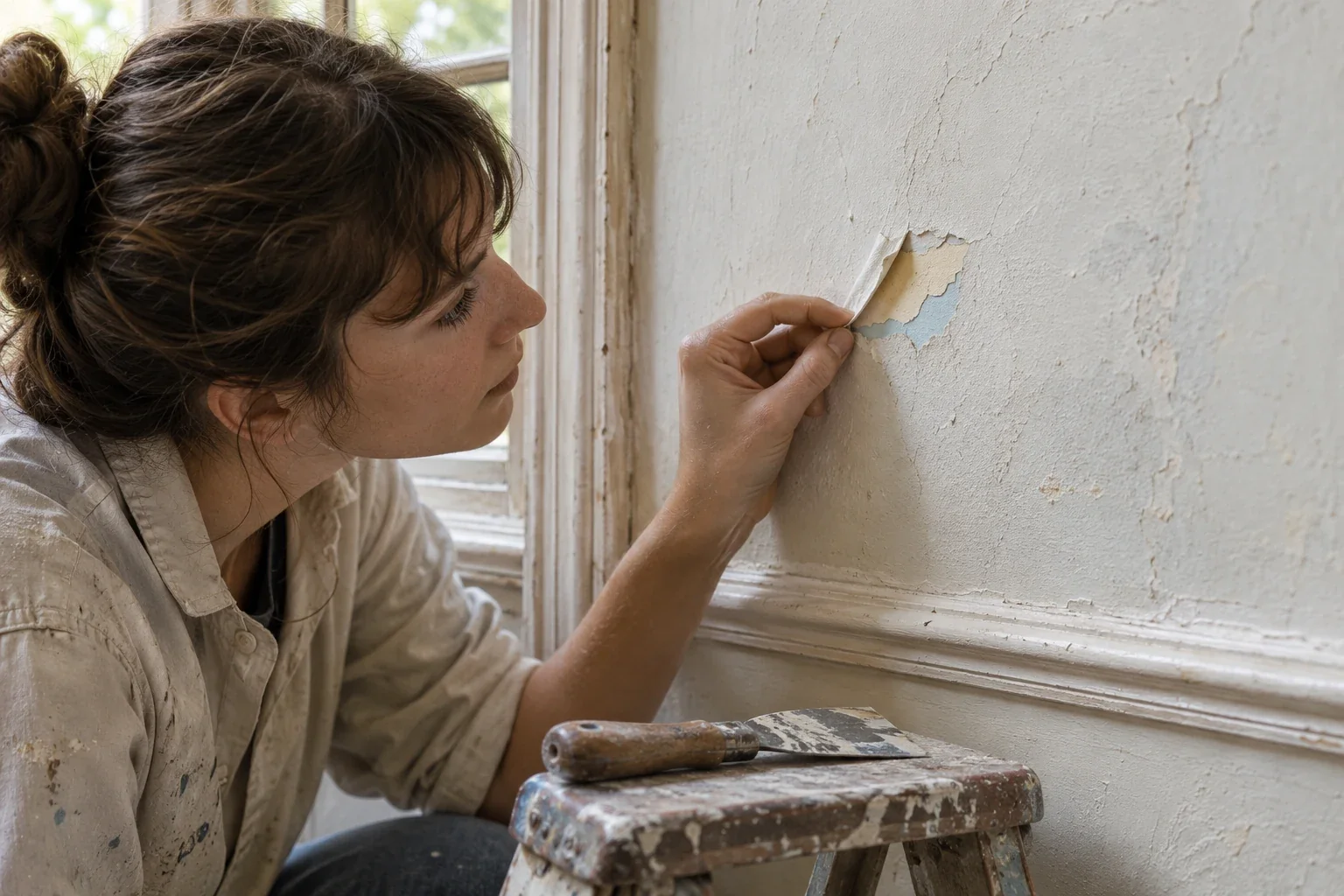
In homes that have been repainted many times, an older layer can be weak even where the surface looks intact. The fresh coat can bond to that layer while the older layer lets go underneath. When a flake comes off, the layers exposed can help identify where the bond failed. The number of previous coats alone does not tell you whether the wall needs stripping.
Peeling can also result from moisture, a dusty or chalky base, incompatible coatings or inadequate preparation of the new work. If fresh paint peels, show us the affected area so we can check the cause. If the wall is damp or there are signs of a leak, identify and address the moisture source before recoating.
03. Does every layer of old paint need to come off?
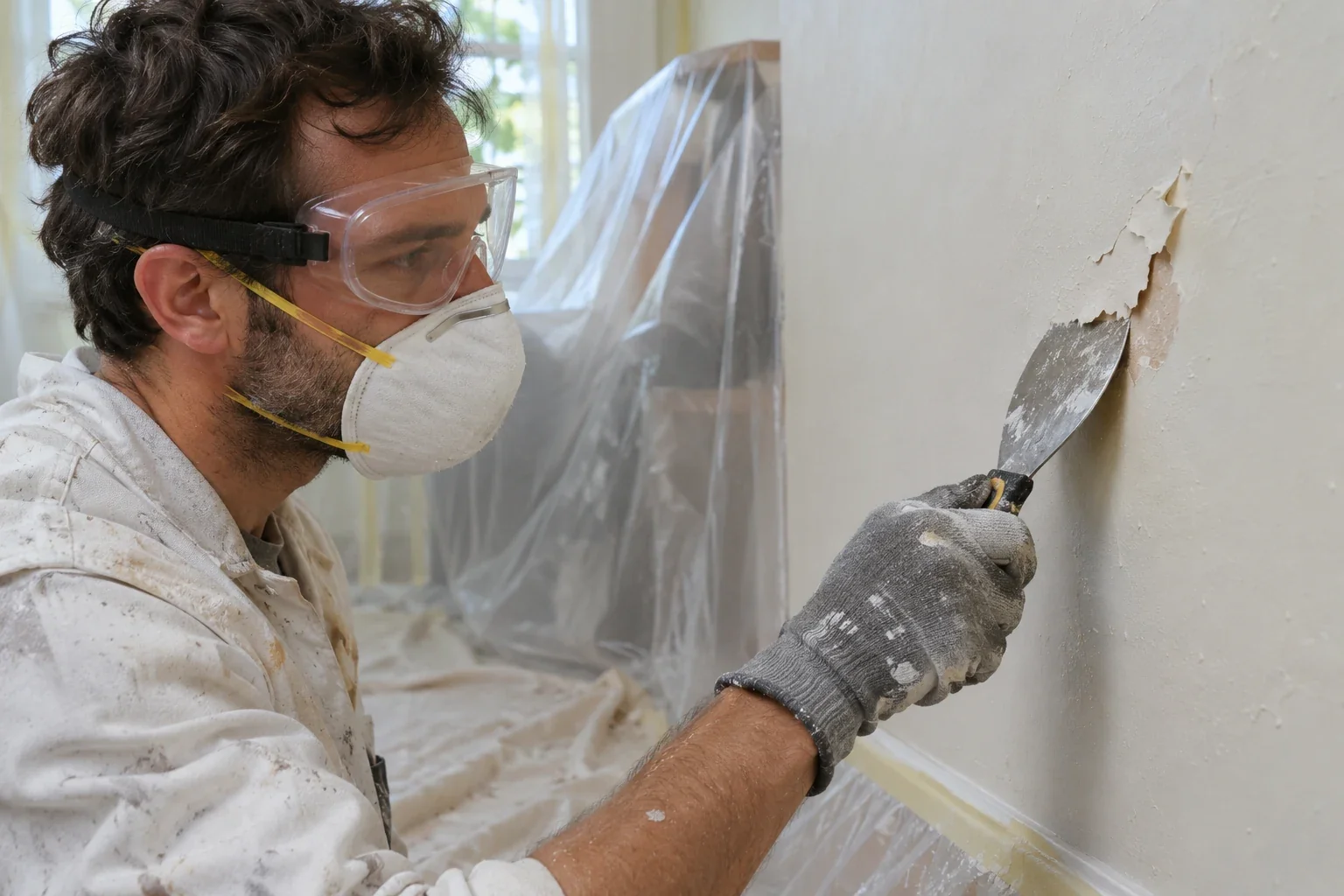
Where the existing coating is sound, clean and compatible with the new system, it can often stay. Loose, flaking or unstable paint needs to be removed back to a sound base. An isolated patch may need local scraping and preparation at the edges before repainting. A wall with widespread or recurring failure may need broader removal and repair.
If more old paint comes away during preparation, we can show you the affected areas and explain what extra work is needed. Whole-wall or whole-home stripping is a separate scope. Agree on the affected area, method and price before additional work goes ahead.
04. When do you need skim coating or plastering?
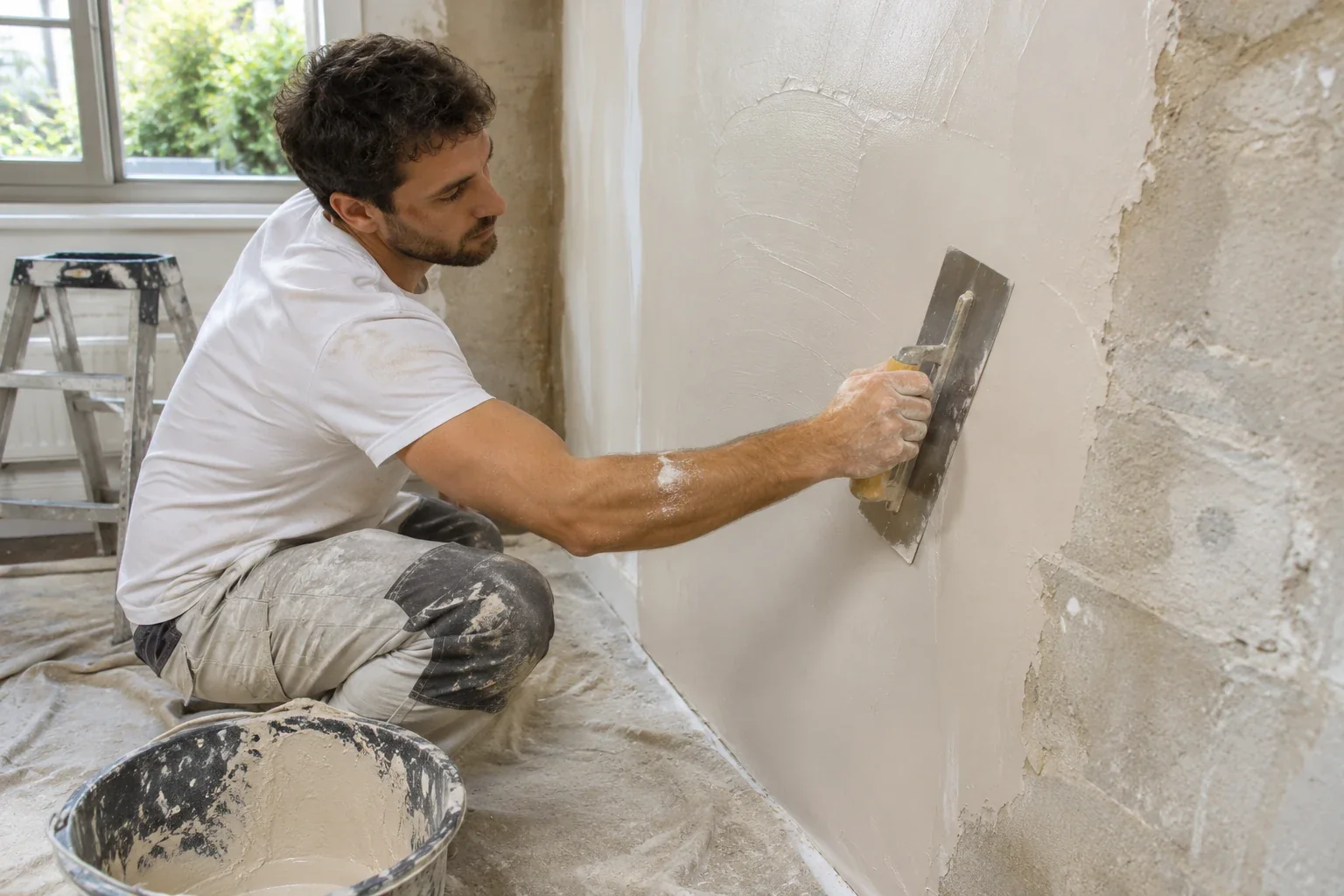
Local filling can improve small holes and dents. A skim coat adds a thin layer over a sound, prepared surface to improve shallow texture and small irregularities. Deeper waves, out-of-plane walls or loose plaster can need more substantial repair or levelling. Ask what method is proposed and which walls it covers.
Doing this across a whole home can add substantial cost. Each wall needs preparation, application and drying before the paint system goes on. If you want to manage the budget, identify the walls that matter most, such as a feature wall beside a large window or a wall with lighting aimed along it.
05. Why does a torch make small imperfections stand out?
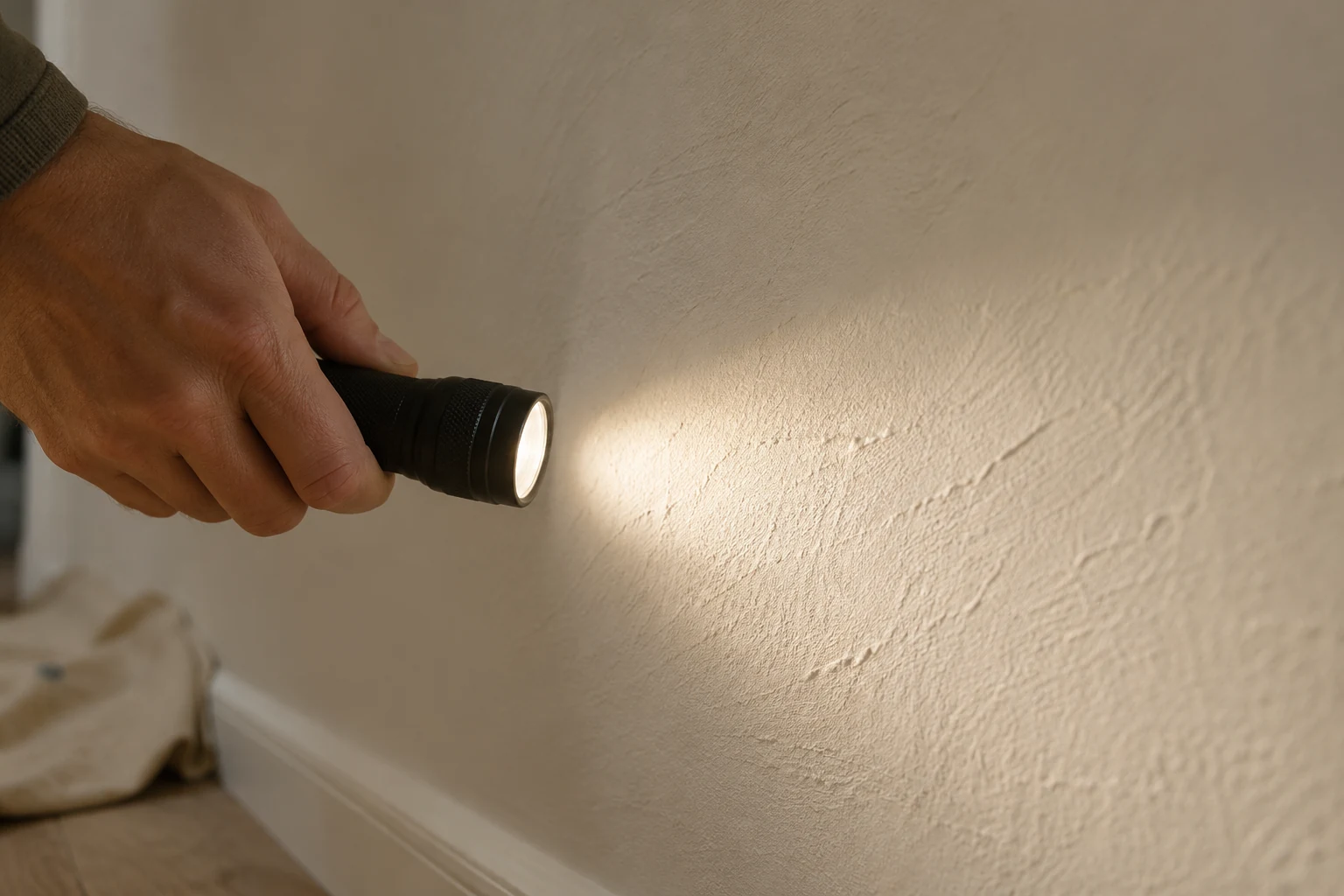
When a torch is held close and pointed along the wall, the beam casts shadows from small changes in the surface. Low-angle daylight and wall-washing lights can have a similar effect in everyday use. Even a carefully skim-coated wall can show some texture under this kind of light.
Agree on the finish and how you will inspect it before work starts. At handover, look together from normal viewing positions under the lighting the room will actually use. If strong side lighting is part of the design, flag it early and consider agreeing on a sample area. If wall flatness is important, agree on a measurable tolerance and how it will be checked.
06. What should you check together at handover?
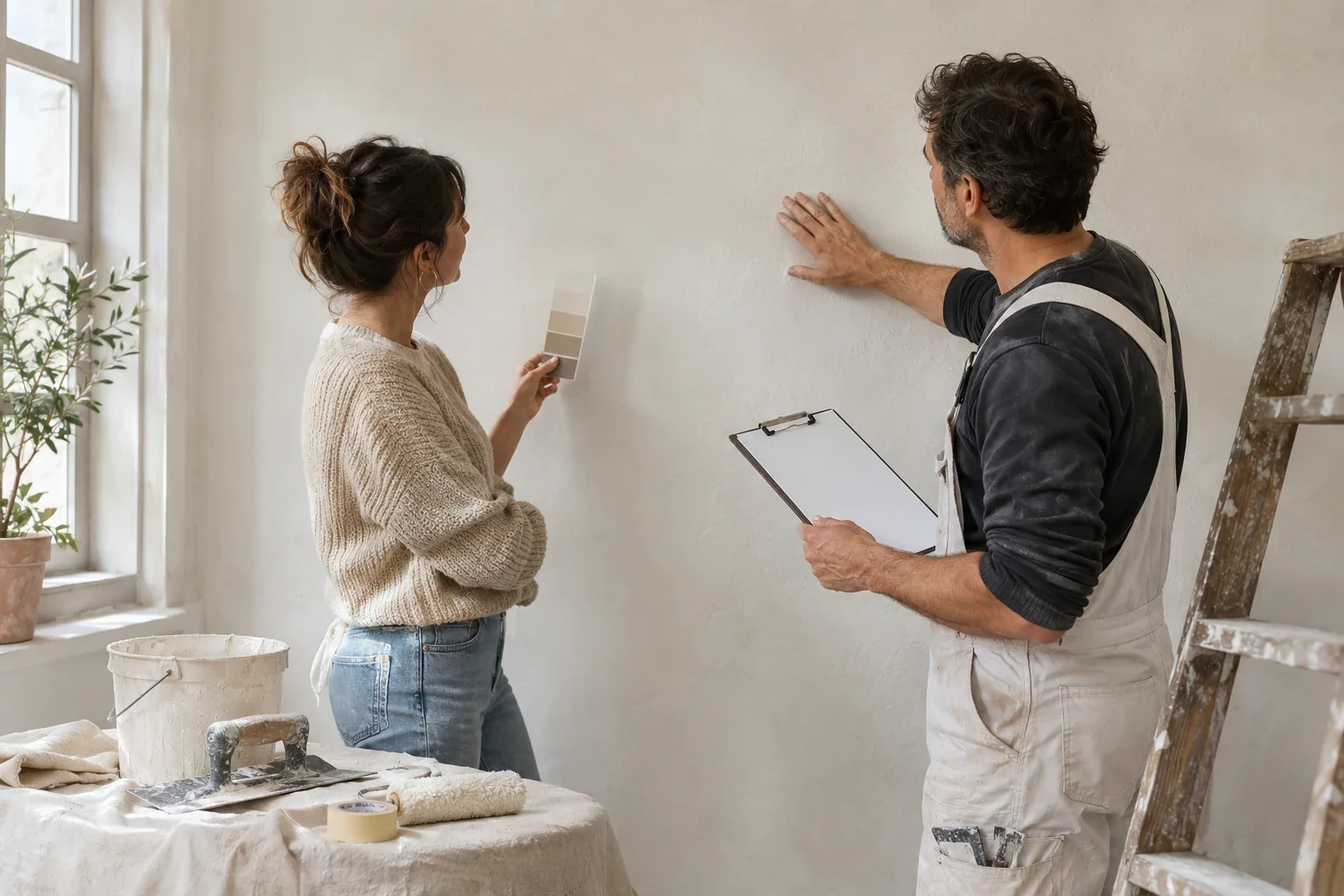
For painting, look at coverage, colour consistency, neat edges and visible issues such as runs or missed areas. For separately quoted plastering or skim coating, review the agreed areas and finish. Existing texture can remain visible on a repaint, while fresh peeling or obvious application problems deserve a closer look.
If something concerns you, mark the area and take one photo from a normal viewing position and another close up. A joint inspection helps separate the condition of the original wall from the work just carried out, so everyone can agree on the next step.
If you are planning a repaint, share photos of the peeling or uneven areas with Formstill Studio. We can discuss which walls are candidates for a standard repaint and which need separate surface work.
For information and reference only. The scope, methods and sequence for your renovation depend on actual site conditions, applicable requirements and the on-site assessment and professional judgement of the specialists carrying out the work.